How Pipelinepharma Simplifies Pharma Licensing for Emerging Manufacturers
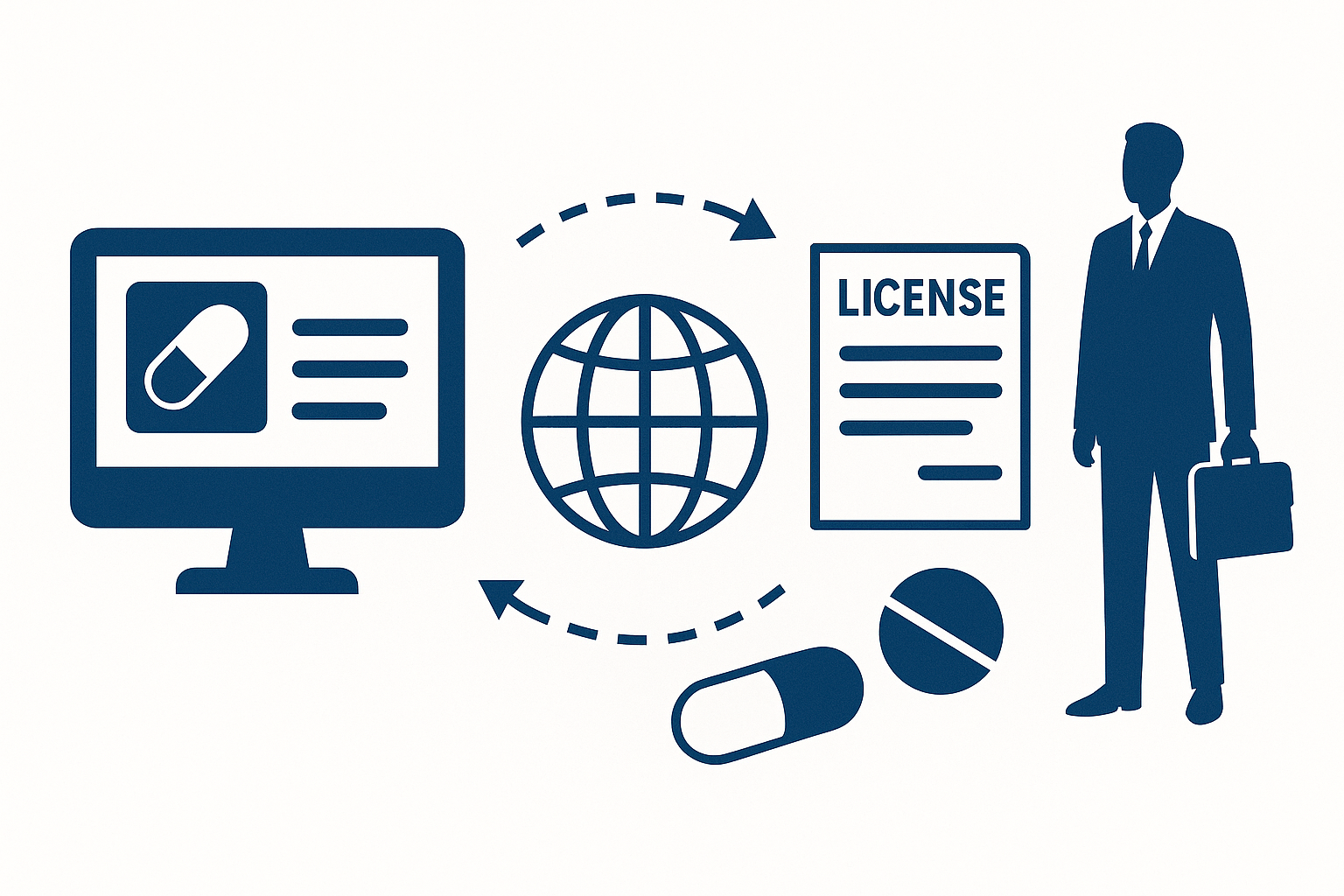
Licensing is the fastest path to scale—if you can find the right partner
For emerging pharmaceutical manufacturers, licensing is a powerful lever. Out-licensing helps monetize R&D and expand into new markets without building local operations from scratch. In-licensing can fill portfolio gaps fast, strengthen negotiations with distributors, and open doors to new therapeutic areas.
But the challenge isn’t understanding why licensing matters—it’s executing licensing efficiently and compliantly. Identifying credible partners, navigating regulations across borders, and negotiating terms can consume months of business development time. That’s where Pipelinepharma comes in: a pharma B2B marketplace purpose-built to connect companies for in- and out-licensing and distribution partnerships—without acting as a drug seller or a manufacturer.
The hidden frictions that slow down licensing deals
Fragmented visibility. Much of the global pharma landscape remains opaque. Manufacturers spend weeks just mapping who has which dossiers, which markets those dossiers are registered in, and who is open to licensing under what terms.
Manual due diligence. Teams juggle scattered PDFs, emails, and spreadsheets to verify certifications, compliance status, and manufacturing capabilities—work that is necessary but slows momentum.
Regulatory complexity across borders. Even when a product-partner match looks ideal, aligning on regulatory pathways, serialization, and country-specific requirements can stall otherwise promising deals.
Inefficient outreach. Cold outreach often yields low response rates. Without a trusted channel, valuable opportunities never reach the right decision-makers.
How digital marketplaces remove those frictions
A digital pharma marketplace centralizes two things that really matter: discoverability and trust. When licensing opportunities are structured and searchable, companies can progress from “we’re looking” to “we’re negotiating” much faster. And when participants are verified and expectations are standardized, both sides reduce risk.
What that means in practice:
-
Structured search. Filter by dosage forms, therapeutic area, dossier status, target countries, technology transfer availability, and more.
-
Signal over noise. See who is explicitly open to pharma out-licensing or pharma in-licensing to avoid dead-end conversations.
-
Fewer emails, more decisions. Consolidate discovery, evaluation, and initial outreach in one workflow.
Pipelinepharma’s role: a focused platform for pharma licensing
Pipelinepharma is a pharma licensing platform and marketplace designed specifically for B2B partner discovery—not product sales. Here’s how it simplifies the journey for emerging manufacturers:
1) Targeted discovery for in- and out-licensing
Use precise filters to find complementary partners—manufacturers seeking in-licensing candidates to expand portfolios, or distributors and companies looking to out-license products into new markets. This reduces scouting time from weeks to hours.
2) Verified profiles and structured product data
Profiles are standardized so teams can quickly compare capabilities and portfolio fit. Structured data (e.g., dossier stage, regulatory status, available packaging, markets of interest) replaces guesswork during the first pass.
3) Streamlined introductions to the right decision-makers
Initial contact happens through a trusted channel, improving response rates and accelerating time to a qualified conversation. You reach BD leaders who know their portfolio needs and are ready to discuss terms.
4) Support for regulatory alignment and documentation exchange
While each party remains responsible for compliance, the platform’s structure makes it easier to exchange the right documents at the right stage and align on regulatory expectations early.
5) Global reach without global overhead
Emerging manufacturers gain visibility far beyond their home markets. Whether your focus is the EU, MENA, APAC, or LATAM, you can find pharma partners online who match your target geographies and licensing model.
What “simpler” actually looks like (for an emerging manufacturer)
Before:
-
30–60 days mapping potential partners and portfolios across regions
-
Cold outreach with low reply rates
-
Repetitive NDAs and introductory data exchanges
-
Stalled negotiations due to unclear regulatory expectations
After with Pipelinepharma:
-
Same-day shortlists created via structured search
-
Warm, in-context intros to verified companies open to licensing
-
Standardized early-stage information exchange to reduce back-and-forth
-
Earlier clarity on dossier status, tech transfer needs, and market coverage
Practical uses: from strategy to signed terms
-
Portfolio expansion via in-licensing: Identify products with the right dossier maturity to fill therapeutic gaps quickly.
-
Monetizing assets via out-licensing: Reach international partners ready to register, market, and distribute your products locally.
-
Entering new regions: Use licensing to test markets and build presence with lower risk compared to greenfield operations.
-
Optimizing negotiations: With better comparables and broader pipeline visibility, your BD team negotiates from a position of strength.
Best practices to accelerate results on Pipelinepharma
-
Clarify your licensing thesis. Define which therapeutic areas, dosage forms, and dossier stages you’re targeting—and which regions matter first.
-
Make your profile do the heavy lifting. Clearly state your in-licensing or out-licensing priorities, regulatory status, and what an ideal partner looks like.
-
Standardize your data pack. Prepare a clean, shareable set of documents (high-level CMC info, dossier status, certifications, target indications/markets) for early review.
-
Sequence outreach. Start with 10–20 high-fit targets, then broaden based on response and learning.
-
Move fast on momentum. Align legal and technical stakeholders early to prevent bottlenecks once commercial terms take shape.
Measuring success: signals your licensing engine is working
-
Shorter time to first qualified call after initial outreach
-
Higher reply rate from BD contacts vs. cold emailing
-
More late-stage opportunities (NDA signed, data room access granted)
-
Geographic diversification of active conversations
-
Improved cycle time from first contact to agreed heads of terms
Why this matters now
Regulatory harmonization trends, serialization requirements, and evolving market access pathways are reshaping how companies partner. The winners are those who combine regulatory rigor with digital reach. For emerging manufacturers, that means using a pharma B2B marketplace like Pipelinepharma to turn strategy into deal flow—without adding an army of scouts or intermediaries.
Conclusion: Turn licensing from a hunt into a process
Licensing doesn’t have to be a slow, opaque pursuit. With a focused pharma licensing platform, emerging manufacturers can find, evaluate, and engage the right partners faster—while keeping compliance and quality front and center.
If you’re ready to transform licensing from sporadic wins into a repeatable growth engine, explore how Pipelinepharma can power your next in- or out-licensing move.
CTA ideas:
-
“Explore active licensing opportunities on Pipelinepharma.”
-
“Create your company profile to receive tailored partner matches.”
-
“Talk to us about accelerating your next licensing deal.”
Short FAQ
Q: Is Pipelinepharma a drug seller or manufacturer?
A: No. Pipelinepharma is a digital pharma marketplace that connects companies for in-licensing, out-licensing, and distribution partnerships. It does not sell or manufacture drugs.
Q: Who benefits most from Pipelinepharma?
A: Emerging and mid-size pharmaceutical manufacturers seeking out-licensing partners, and companies looking to in-license products to expand portfolios or enter new markets.
Q: Does Pipelinepharma help with regulatory approval?
A: Each party is responsible for compliance. The platform helps surface the right partners and documentation early, so regulatory alignment happens faster.
Q: Can we target specific regions?
A: Yes. Use filters to prioritize opportunities by market/region, dossier status, and commercial readiness.